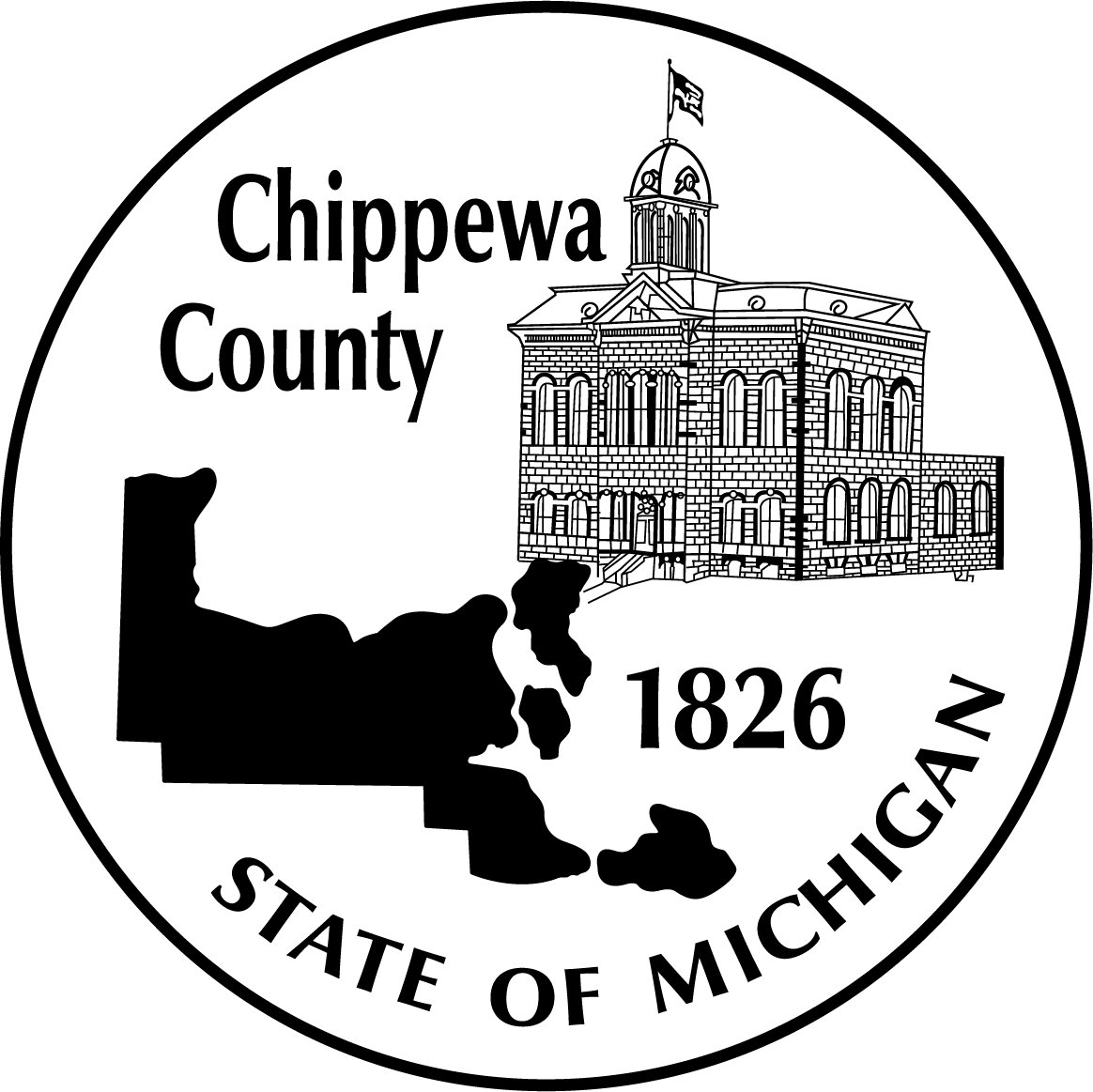
Located at the eastern end of Michigan’s Upper Peninsula, Chippewa County is a place shaped by water, forests, transportation, and generations of people who have called this region home. Organized in 1826, the County is rich in Native American, French, military, maritime and industrial history. Sault Ste. Marie the county seat and Michigan’s oldest city, has served as an important crossroads between Lake Superior and the lower Great Laked for centuries.
The Soo Locks, opened in 1955, remain one of the County’s defining landmarks and as essential part of the Great Lakes shipping system. The St. Mary’s River, Lake Superior and Lake Huron have shaped our communities and continue to support commerce, transportation, tourism, and recreation.
Chippewa County is also known for its outdoor heritage and four-season recreation. With hundreds of miles of shoreline, inland lakes, rivers, forests and public lands, the area offers exceptional opportunities for fishing, hunting, boating, snowmobiling, ORV riding, camping, hiking, and other outdoor pursuits. Drummond Island, Whitefish Point and surrounding Great Lakes provide some of the region’s most distinctive natural and recreational experiences.
Today, Chippewa County continues to build on that heritage through, maritime commerce, transportation, forestry, manufacturing, agriculture, education, healthcare, tourism, and small business. The International Bridge, Soo Locks, rail and highway connections, and Chippewa County International Airport make the County an important gateway for commerce between Michigan, and the Great Lakes Region.
Chippewa County is proud of its past, committed to its communities and focused on a strong future for the generations to come.